Resupply by swarm: inside the military logistics revolution nobody parades
Uncrewed aerial resupply has quietly become one of the most consequential applications of drone swarms — moving blood, batteries and ammunition to places no truck convoy should go.
James Okonkwo — Defence & Aerospace Correspondent

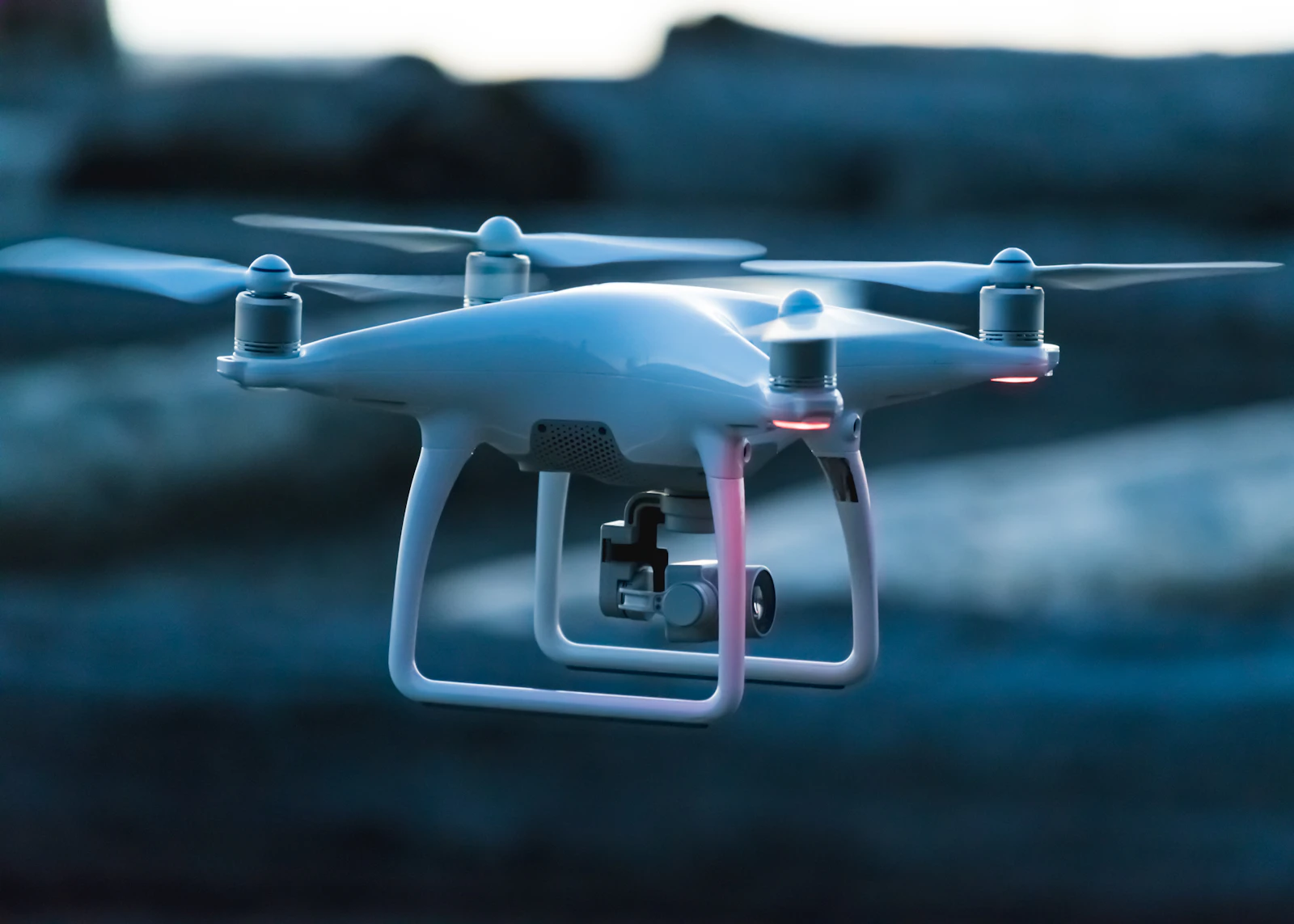
Strike drones dominate the headlines, but ask logisticians what autonomy has changed in contested operations and they point elsewhere: the last-kilometre resupply run. Small autonomous multicopters, flying coordinated low-altitude routes at night, now deliver blood products, radio batteries and ammunition to positions that convoys and helicopters cannot reach at acceptable risk.
The doctrine emerged from necessity in Ukraine and has been formalised at speed by NATO militaries. A single operator now tasks a flight of six to twelve aircraft; the swarm plans routes collectively, deconflicts automatically and reroutes around jamming without human input.
The unglamorous engineering
The hard problems are prosaic: cold-weather battery performance, payload standardisation, and navigation that survives GNSS denial. Visual-inertial systems that fingerprint terrain have become the default answer to jamming — an approach now flowing back into civilian drone delivery, where GPS interference near airports has become a growing operational headache.
Procurement is following. The British Army's uncrewed resupply programme reached full operating capability in March; the US Marine Corps has ordered enough systems to equip every deployed battalion by 2028.
Cite this article
James Okonkwo. "Resupply by swarm: inside the military logistics revolution nobody parades." Autonomous Systems Review, 5 Jul 2026. https://autonomoussystemsreview.com/articles/swarm-logistics-military-resupply.