
Atlas Robotics raises $220m to put humanoids on the line
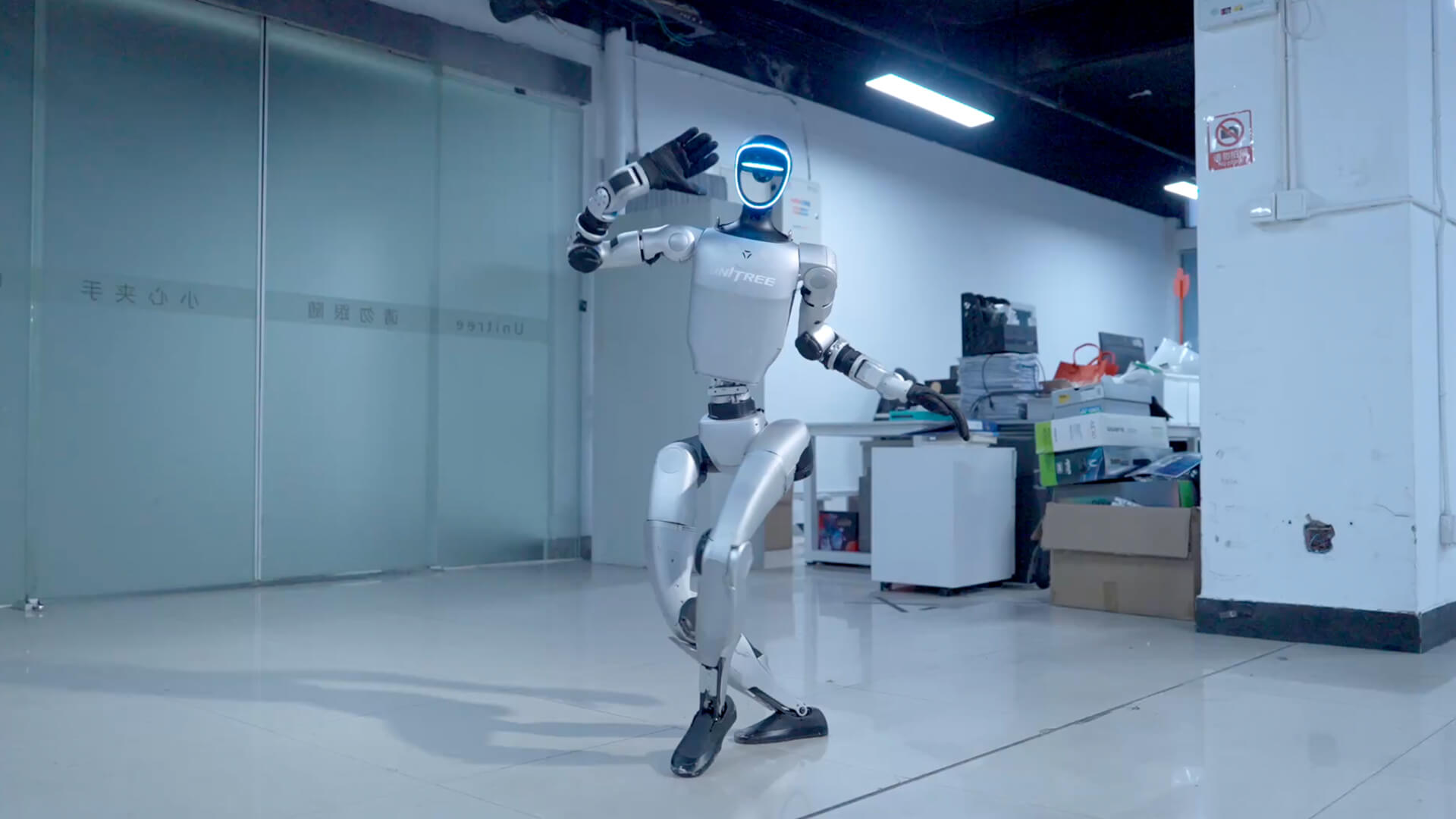
The Austin firm's Series C values it at $2.1bn as paid pilots with three Fortune 500 operators move from proof-of-concept to production deployment.
Intelligence on machines that act
Lead story / Autonomous Drones
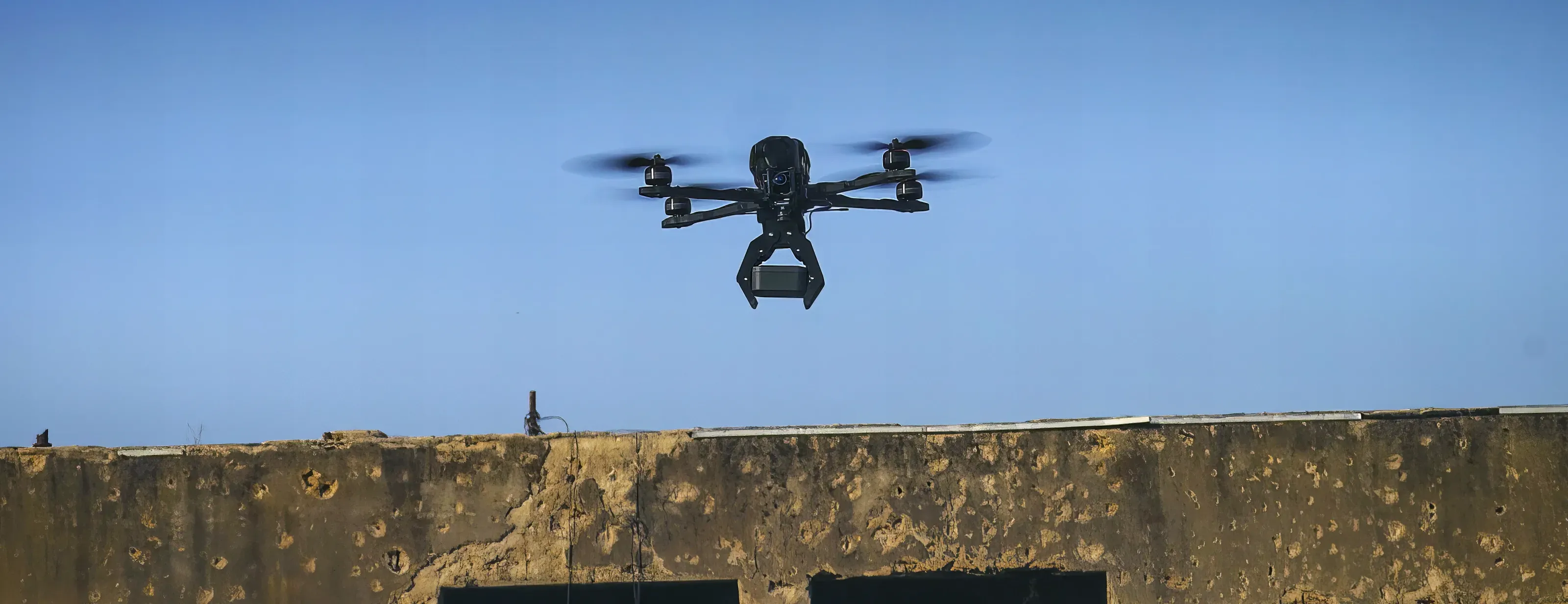
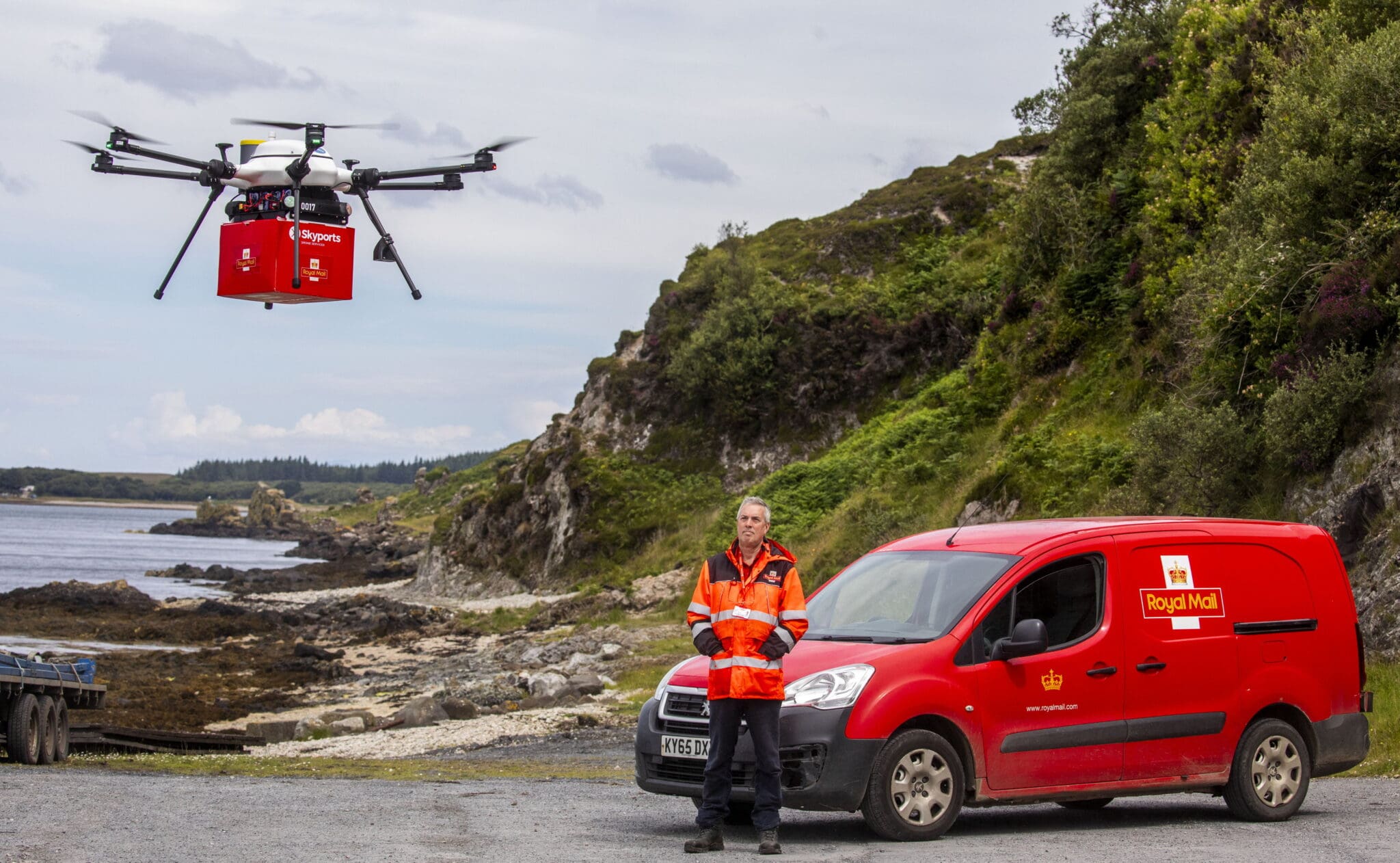
EASA's long-awaited framework lets approved operators fly beyond visual line of sight across member states under a single authorisation — a step-change for grid, rail and pipeline inspection.
Elena Vasquez30 Jul 20266 min read
Read the briefingNews · 29 Jul 2026
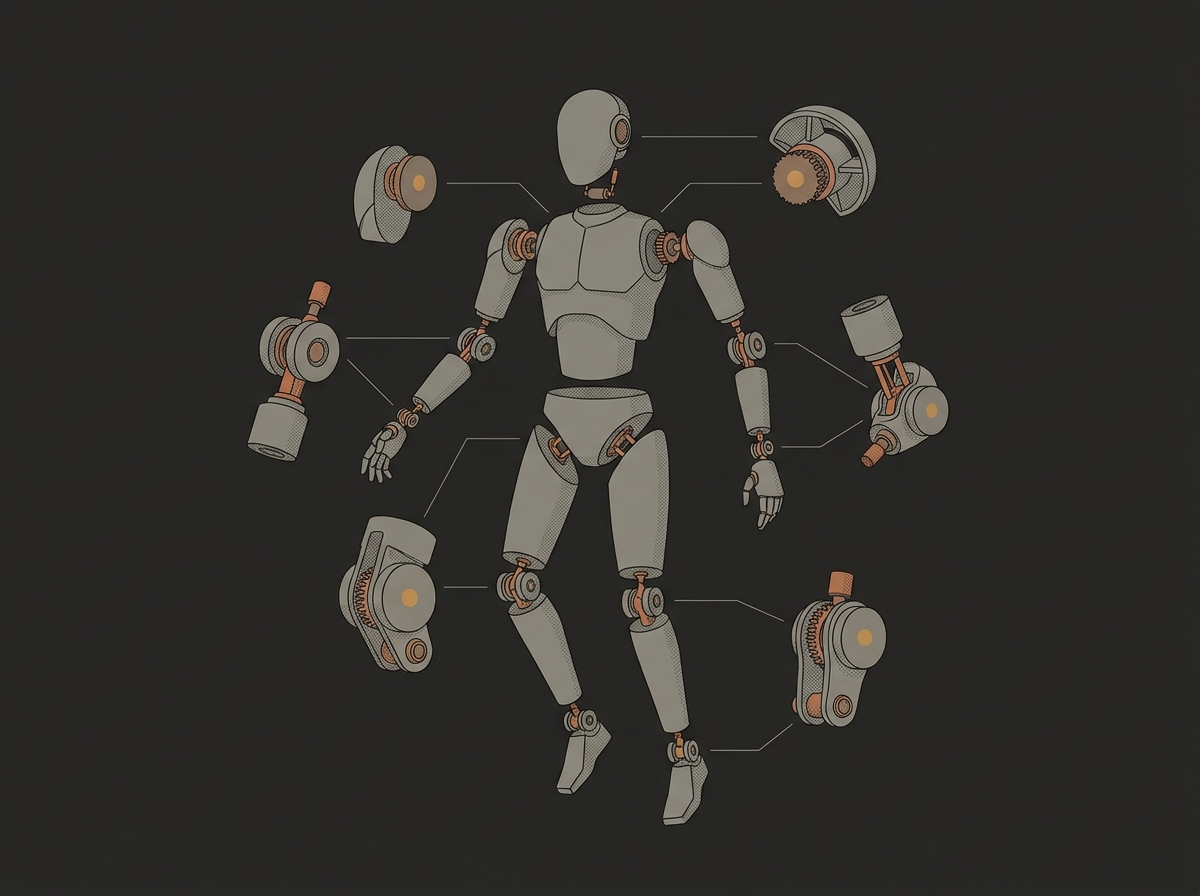
Atlas Robotics raises $220m to put humanoids on the line
News · 28 Jul 2026
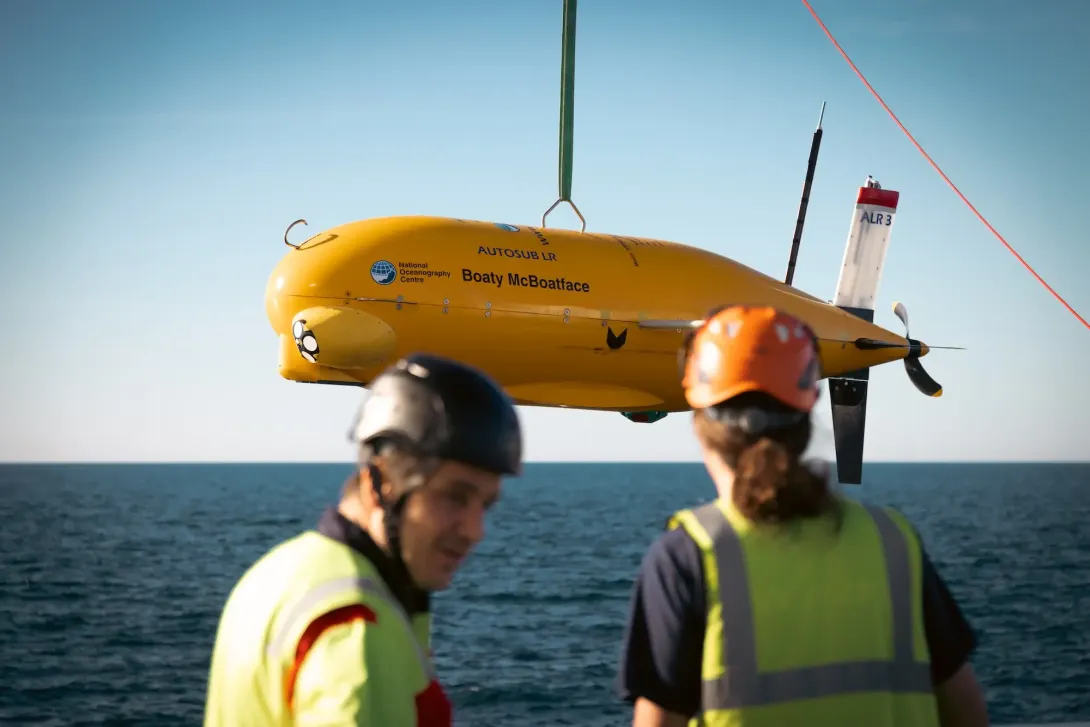
HarbourMind puts twelve autonomous vessels into commercial service
Analysis · 27 Jul 2026
Europe's counter-drone spending is outpacing its doctrine
News · 26 Jul 2026
Landmark labour agreement clears path for automation at US East Coast ports
Reporting
The Austin firm's Series C values it at $2.1bn as paid pilots with three Fortune 500 operators move from proof-of-concept to production deployment.
Norway's maritime sandbox delivers its first fleet-scale result as supervised coastal cargo runs become routine between Trondheim and Bergen.
The six-year master contract trades automation consent for wage gains and a retraining fund — a template both sides say could travel.
Robotic systems that service energised high-voltage lines promise to cut outage windows — and keep lineworkers out of the most dangerous job in the grid.
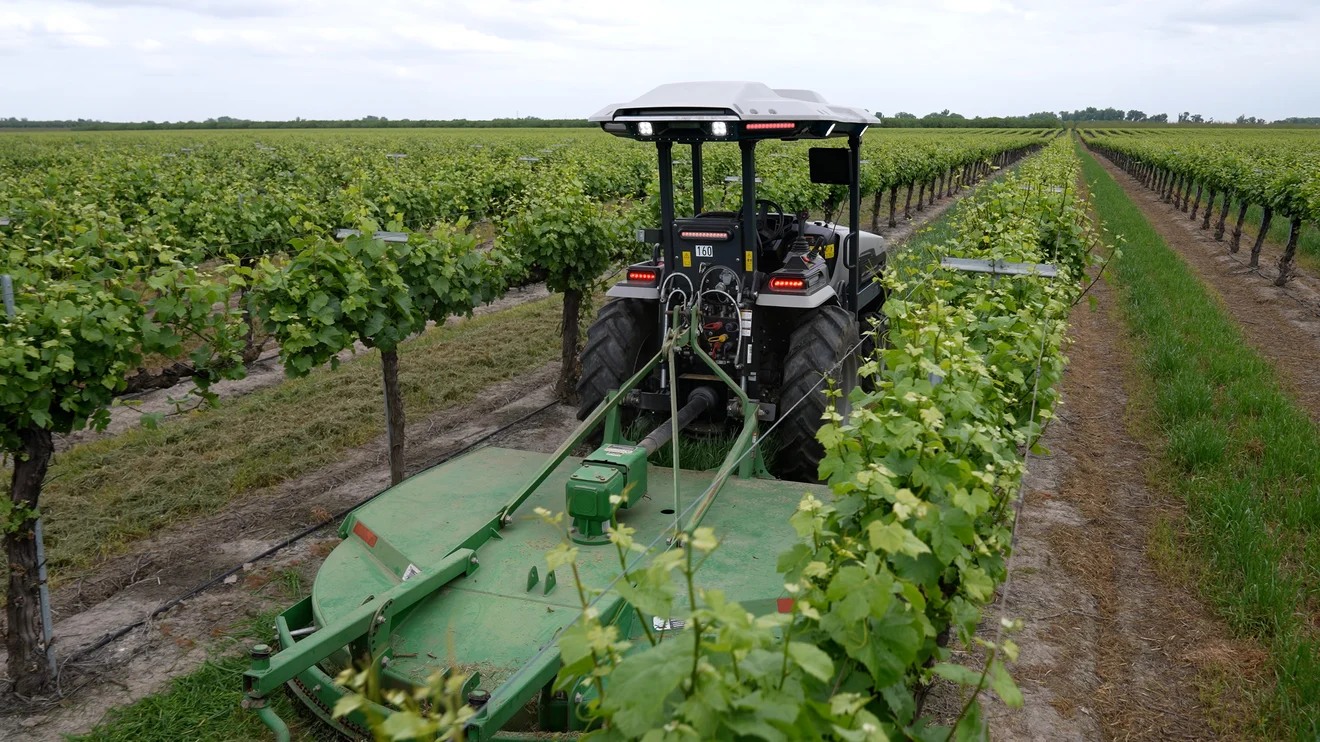
The Toronto company's driver-out track record in intermodal yards becomes the springboard for factory-fitted autonomous tractors from 2028.
Depth
Airbase incursions have triggered a €4bn procurement wave for counter-UAS systems. The hard part — deciding who is allowed to shoot what down, and when — is lagging badly.
Neuromorphic cameras that report change rather than frames are finding their killer application in high-speed inspection — and quietly rewriting the machine vision playbook.
A new generation of neural processors is being designed for robots rather than phones. We map the contenders fighting to become the default brain of industrial autonomy.
Industry Intelligence
Autonomous Systems gathered deployment data from eleven warehouse humanoid pilots. The headline: uptime is improving fast, but integration costs still dwarf the robot itself.
Mei Tanaka24 Jul 202611 min read
Coverage
Conversations
HarbourMind's chief executive on retrofits versus newbuilds, the operator-to-vessel ratio that makes the business case, and why the IMO's timeline doesn't worry her.
Argument
Ten-year procurement cycles cannot govern software that retrains monthly. Until contracting reform catches up, allied militaries will keep buying obsolete autonomy at exquisite prices.
What innovators call certainty, incumbents use as a moat. The sandbox model — provisional permission, dense evidence, iterated rules — is serving the sector far better than a premature rulebook would.
Fleet operators are moving from scheduled servicing to condition-based maintenance. Vertex Dynamics explains the data pipeline behind its 40% downtime reduction.
Foundations
No autonomous vehicle fleet operates without remote humans. Understanding the difference between teleoperation, teleassist and supervision is essential to reading the industry honestly.
Zero-shot inspection models are replacing hand-tuned vision pipelines that took decades to build. Here's what changes, what doesn't, and what to ask your vendor.
Research & Reports
The Autonomy Briefing
News, deals, deployments and regulation — curated by our editors every Thursday. Read by 60,000 engineers, executives and policymakers. One sponsor per issue, clearly labelled.