Interview: Ingrid Solberg on scaling maritime autonomy past the pilot trap
HarbourMind's chief executive on retrofits versus newbuilds, the operator-to-vessel ratio that makes the business case, and why the IMO's timeline doesn't worry her.
Elena Vasquez — Editor
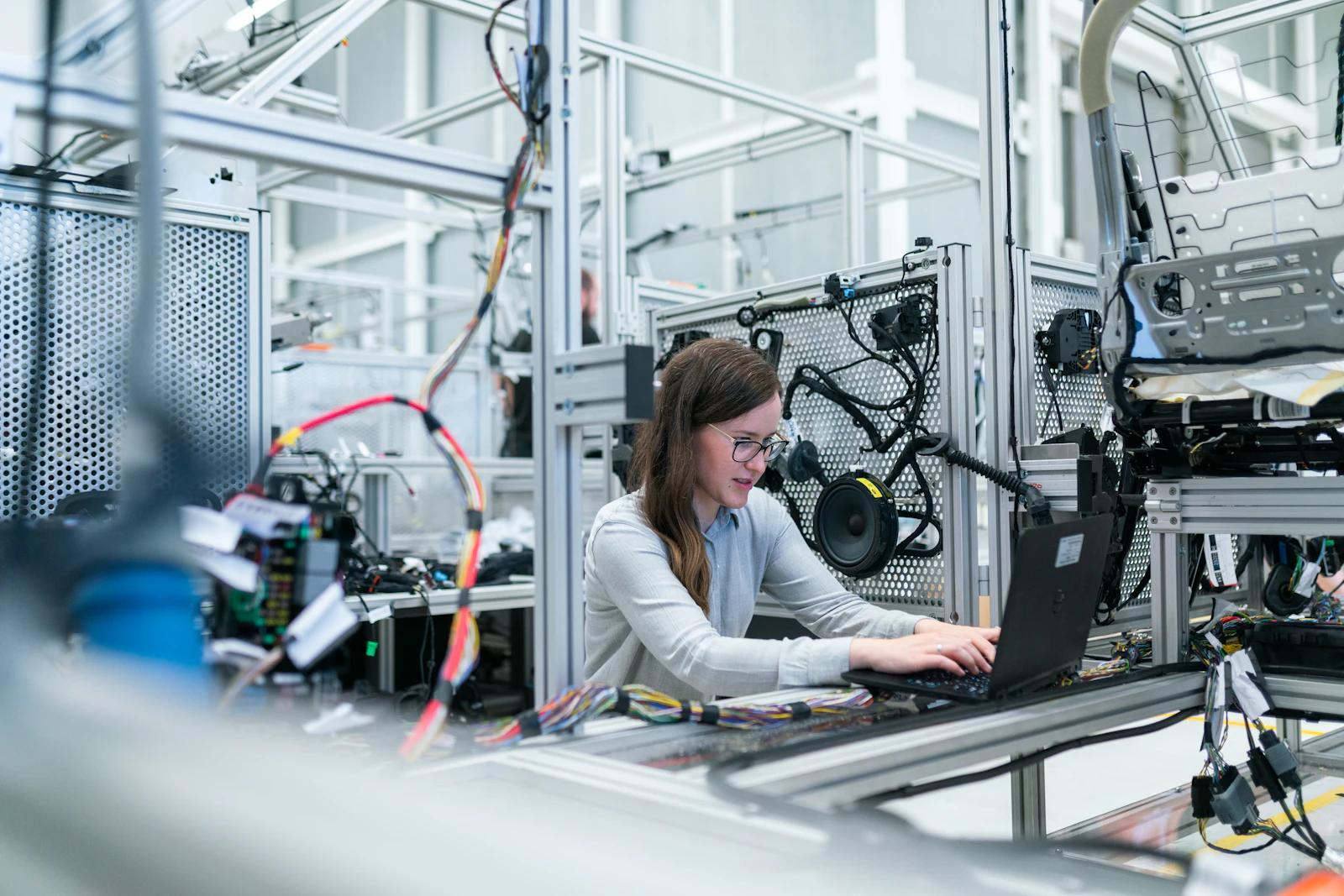
Ingrid Solberg has spent seven years arguing that the future of autonomous shipping looks less like a crewless ghost ship and more like an air traffic control room. With twelve vessels now in supervised commercial service, the industry is starting to agree. We spoke at HarbourMind's remote operations centre in Trondheim.
On the retrofit decision
“A newbuild programme is a decade and a shipyard slot. A retrofit is nine weeks in dock. The world's coastal fleet is 40,000 vessels that already exist — that is the market.”
Solberg is blunt about the sector's pilot-project era, which she says taught the wrong lessons by optimising for demonstrations rather than dispatch reliability. HarbourMind's internal metric is 'schedule integrity' — the percentage of commercial sailings completed without a crewed takeover — which she says now stands at 96.4% across the fleet.
On regulation
She is unbothered by the slow grind of the IMO's MASS Code. 'National sandboxes are where the evidence gets built. The IMO will codify what Norway, Japan and Singapore have already proven. We would rather be the evidence than wait for the permission.'
Cite this article
Elena Vasquez. "Interview: Ingrid Solberg on scaling maritime autonomy past the pilot trap." Autonomous Systems Review, 20 Jul 2026. https://autonomoussystemsreview.com/articles/interview-ingrid-solberg-harbourmind.


